LOADING...
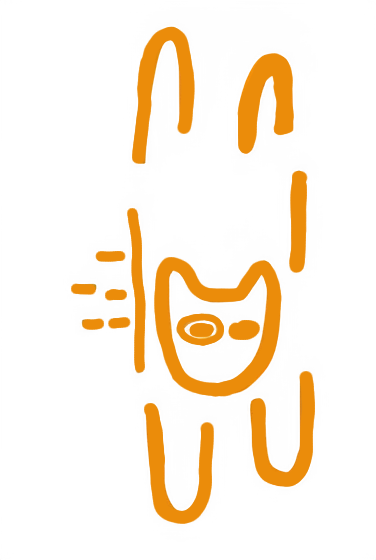
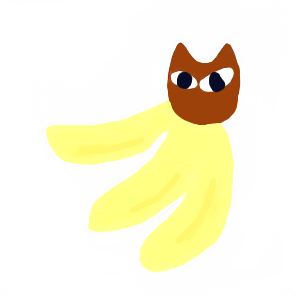
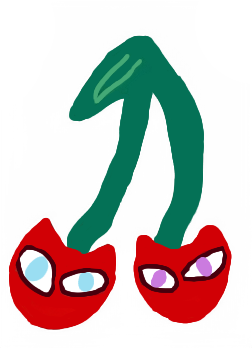

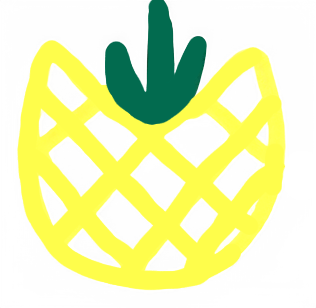
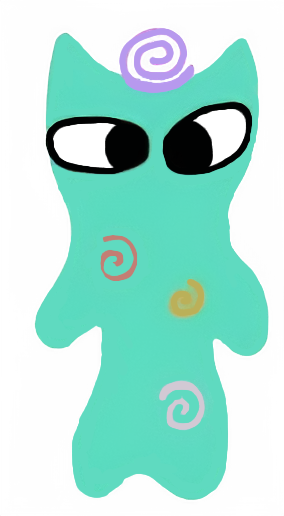

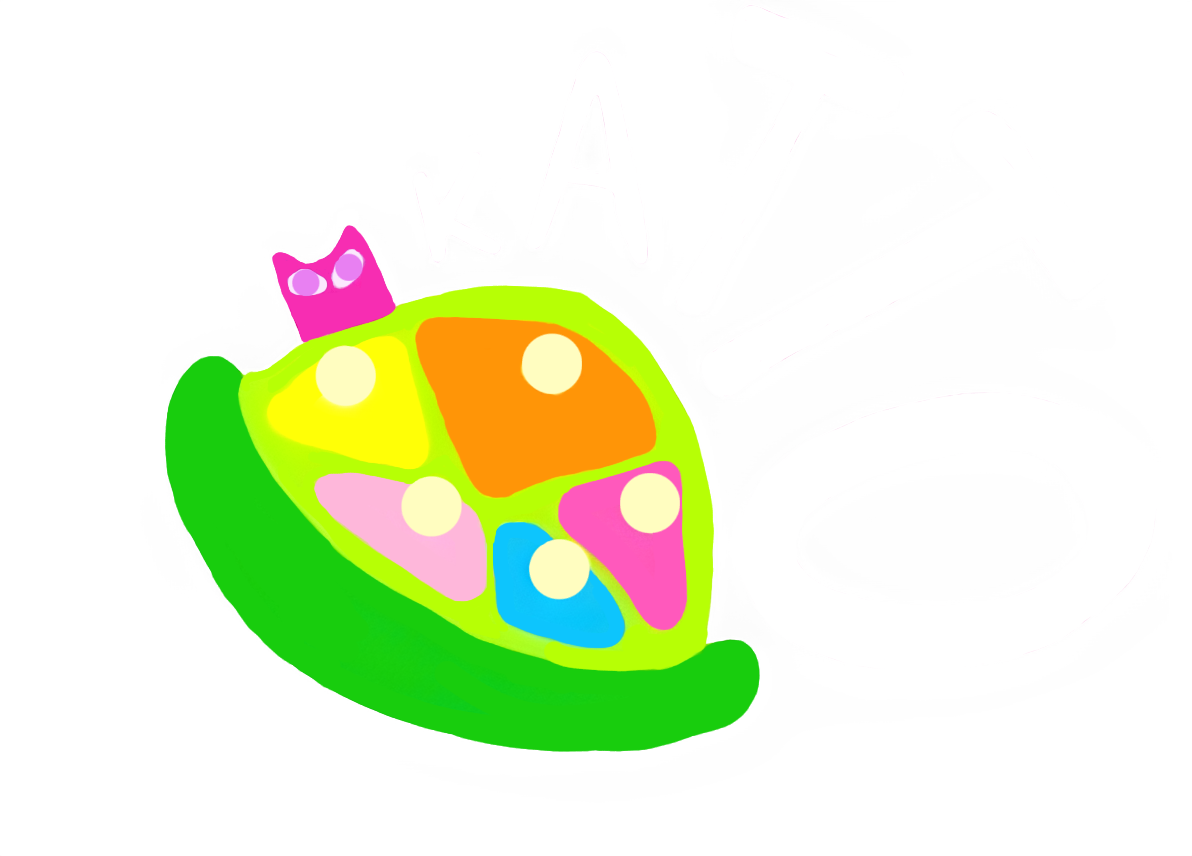


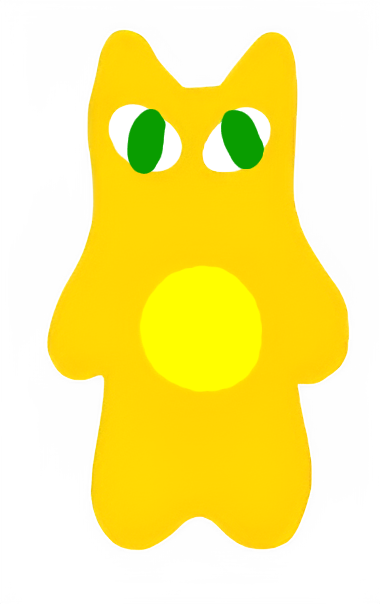
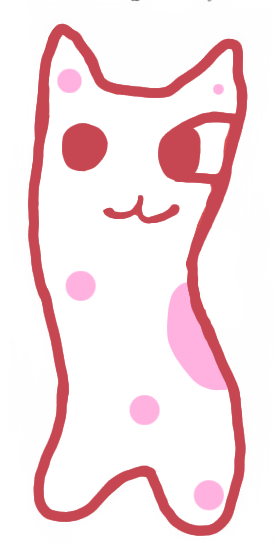
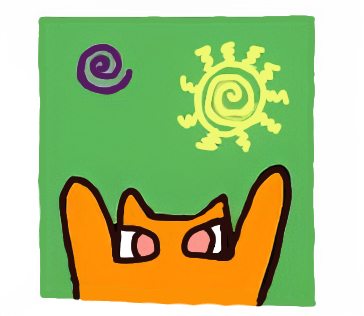
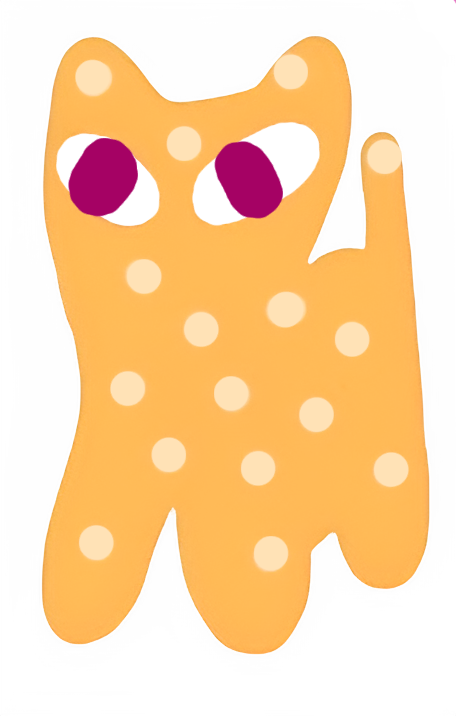
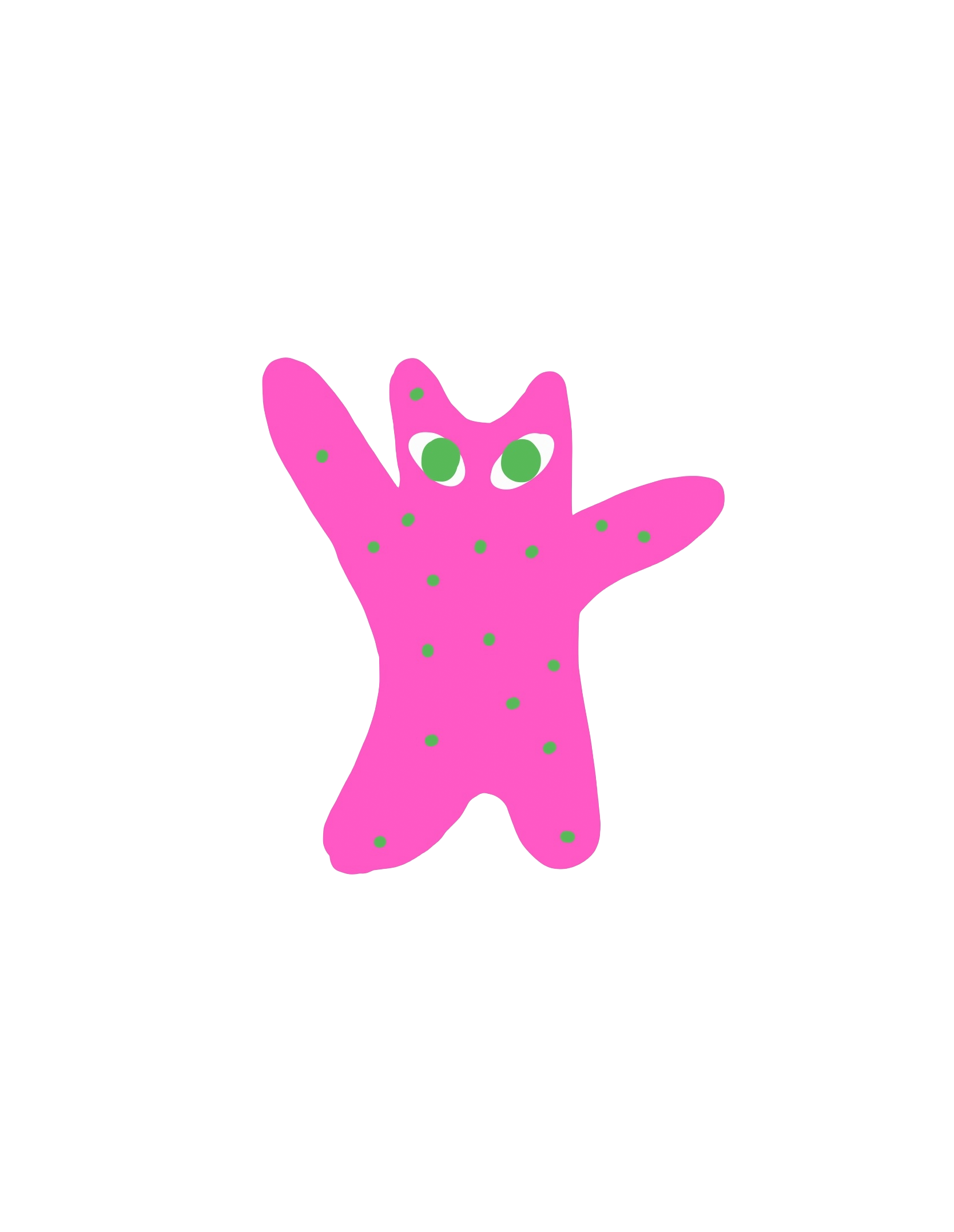
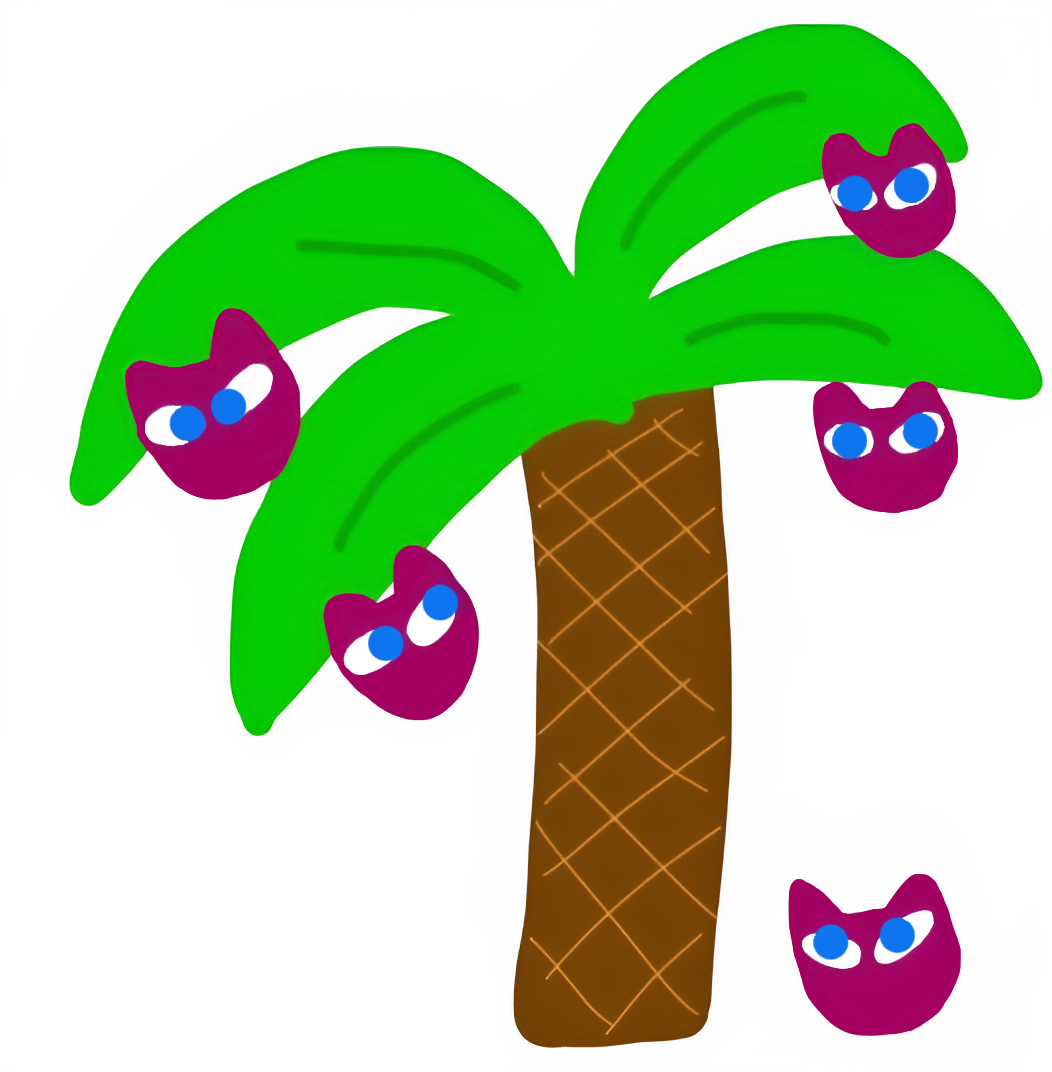
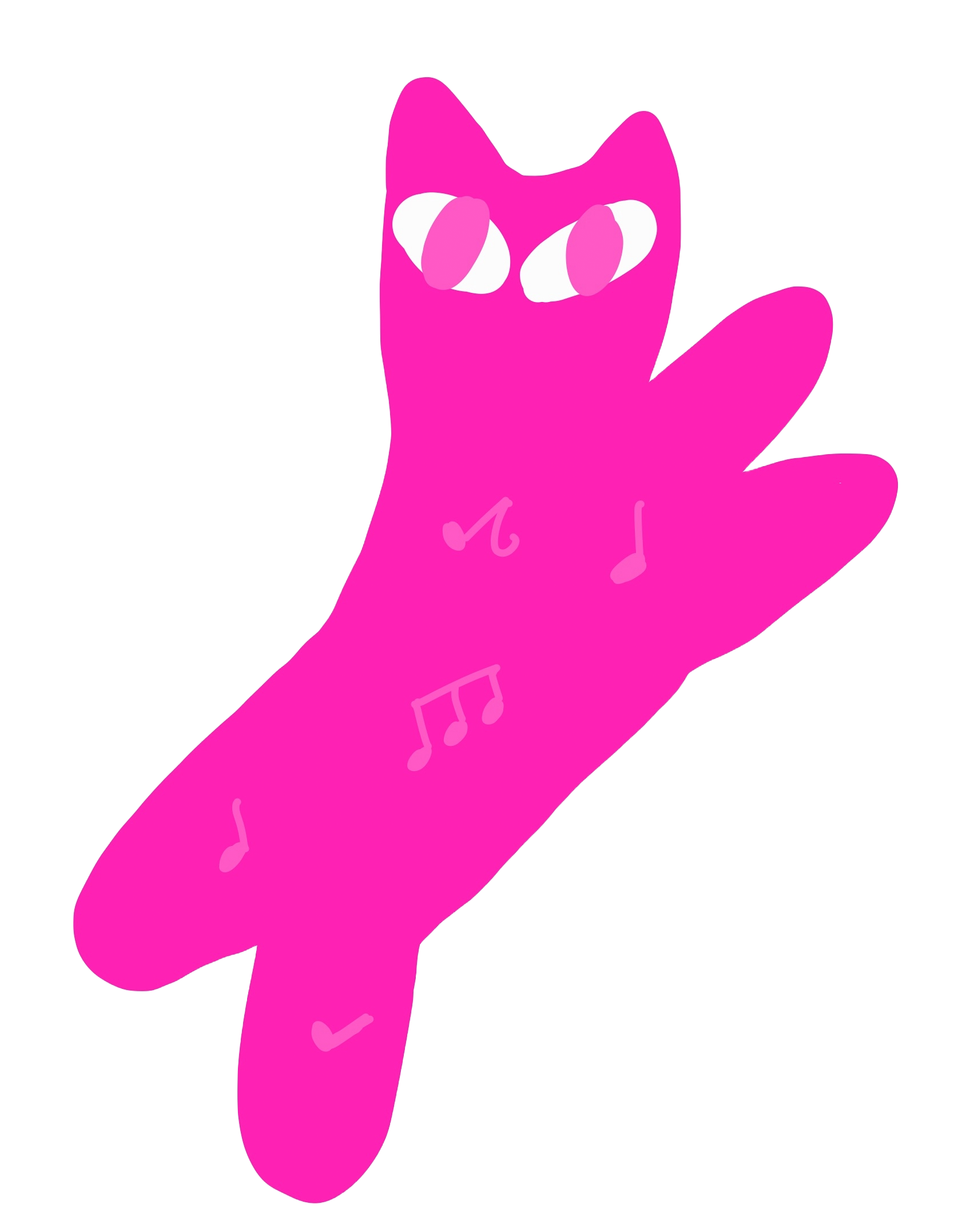
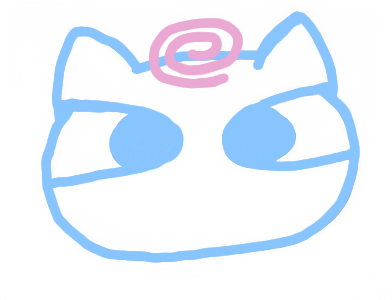

I began this project as I was exploring myself and the "parts" of me in therapy. I began to discover that the voices in my head were their own beings, with their own roles, agendas and views of the world, and I then began to understand myself so much more, not even just how my internal system has been created, but how my "parts" connect to my ancestors and cultural lineages.
Perhaps what was the most healing was discovering the parts of myself that have been cast into roles because of my biracial identity. Seeing this through myself, I wanted to create something that would root exploration of mixed-race studies in personal narrative, and personal experience. Oftentimes growing up there was little to no representation of mixed-race stories in media or entertainment, as well as within my schools and spaces I entered and exited. I have come to realize this lack of representation is part of a larger story, of that oftentimes we as mixed people also participate in self-censorship along with those who don't value mixed-race narratives. Even though one's experiences are super important, growing up mixed often left me feeling like mine were not, or perhaps that they were not worth telling.
Mixed kids can have the most different of experiences, even if they are siblings or of the same heritage. There are so many things that go into someone's view of themselves, view of their heritage and view of their communities. By examining the parts of myself in response to my external environment, I see my inner world more shine, shine central to thinking about who I am. This causes a rupture into the external picture I have grappled onto since childhood, often wanting to place the responsibility of who I was in any given context, to the people within those situations. Taking responsibility back, portraying who I am fully as a person, requires falling inward, encountering these thoughts I have tried so hard to push back or to deny. These external thoughts from society, while they may originate not from my own soul or consciousness, have become part of how I have processed my world. But I want my view of myself to come from grace, understanding and deep compassion.
The Katto Platform, starting from this idea of rooting a project in self narrative then transformed into more questions: why does exploring inner life matter? Why does personal narrative matter when speaking about histories of people of color? And, how does learning about our ancestors and their history help us understand ourselves and others better?
Not every mixed person's experience is meant to be represented here, no one narrative ever can. This platform is more about how focusing on your own personal experiences can connect you back to yourself when you research or read history. I wanted to use a modality that instead people can use to center themselves in their research first. As people of color, or mixed people, others tend to emphasize qualities in us connected to who we are as a collective people, rather than our individual selves. One research question I have evoked because of this is: what does returning to the self teach you about the history of your people and how you are individually affected due to your positionality?
These questions brought me to root my project in 4 different methodological foundations, which are explained further below: Internal Family Systems, Filipino Anitism, Ancestral Healing, and Kapwa Psychology. Flowing in between these frameworks, I let my parts come to me, and six different ones spoke up and showed up. While these six parts are deeply important to me, I want to emphasize that they are not representative of all the parts that make up my inner world, and that these parts particularly have been chosen because they represent a lot of the experiences I have as a mixed-race Filipina Polish woman.
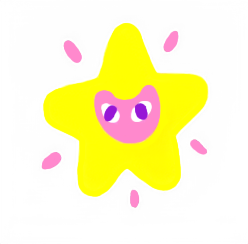
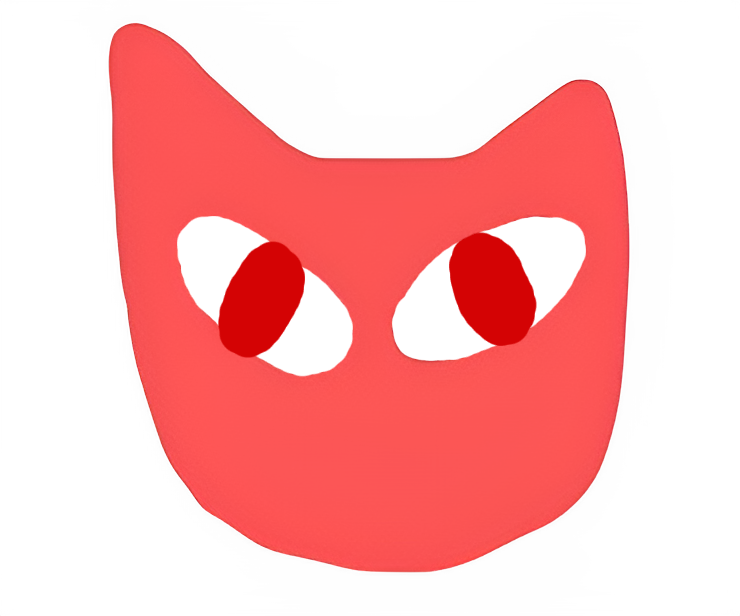
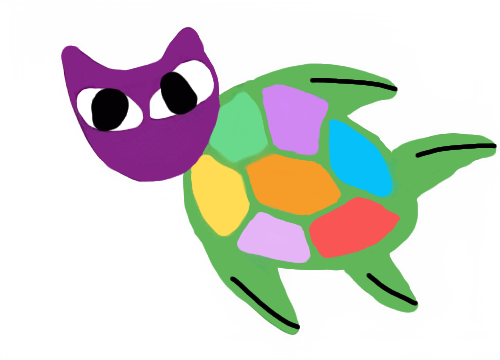
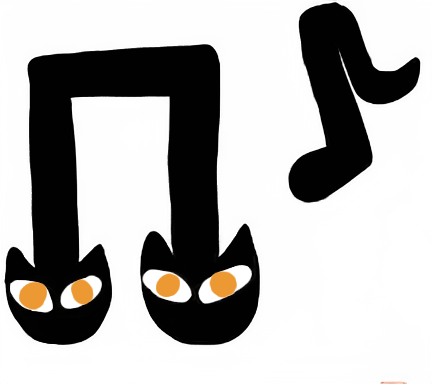
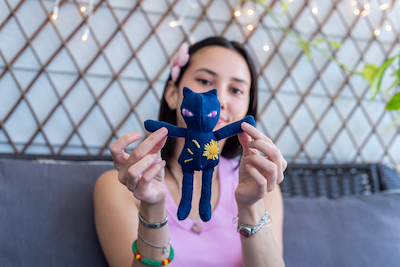
With these parts in mind, I wanted to bring them to life, and create something that not only would be one representation of the inner world of a mixed-race person, but something that was filled with joy, understanding and honestly, cute. Thus, the Katto platform was truly born.
This platform isn't only for mixed-race people. Really, this platform is about taking back the power of personal narratives in BIPOC histories. Growing up, there have been so many times in school or even in small daily interactions, that who I am inside of my head is shaped by other people's reactions, or perceptions of me and the histories that I read that were not written by my people. The muddledness I felt because of this caused anxiety, depression and low self-esteem. I found that reading memoirs, personal narratives, and autohistorias and autoethnographies written by people of color was where I felt the most connected to myself within, even if my experiences were not directly related to them.
Exploring my inner life has cleared some of the muddleness, and the mixed messages that different sources have given me, and I hope to bring that sense of openness so that maybe I can reach even one person that has the curiosity to explore themselves.
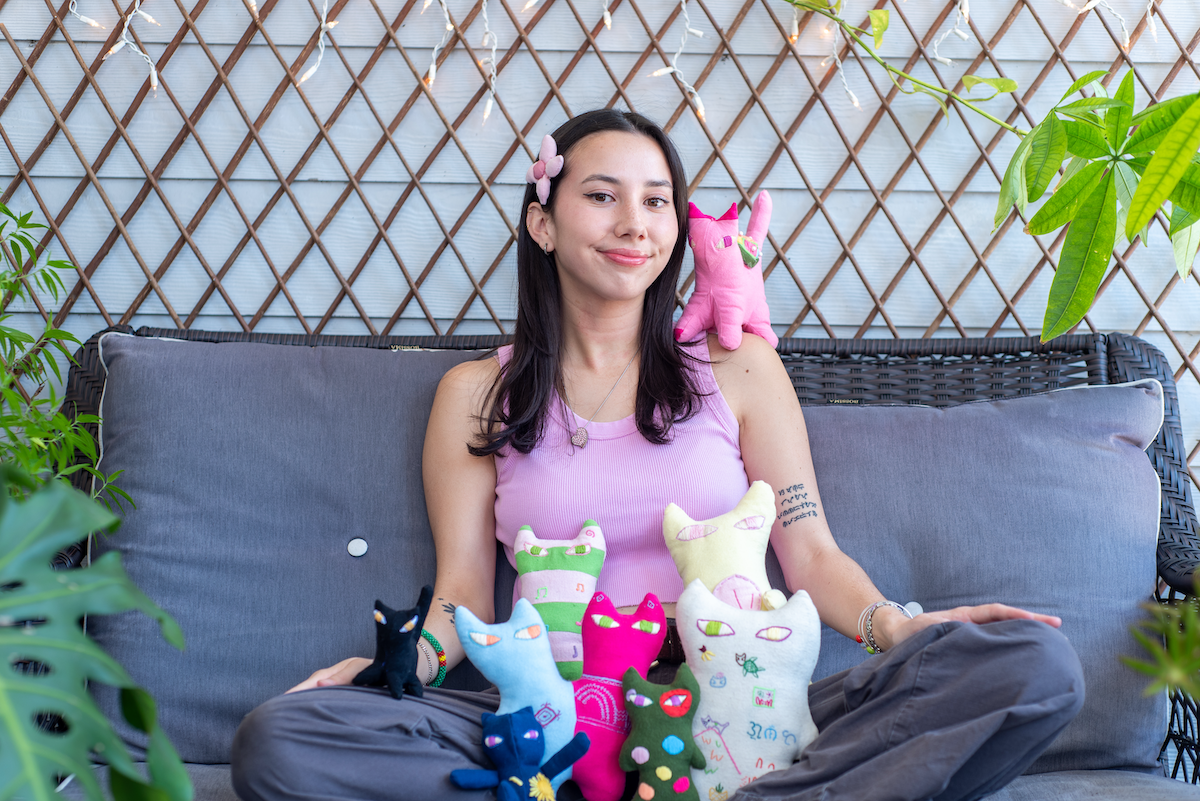
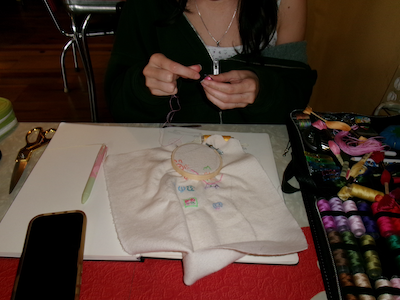
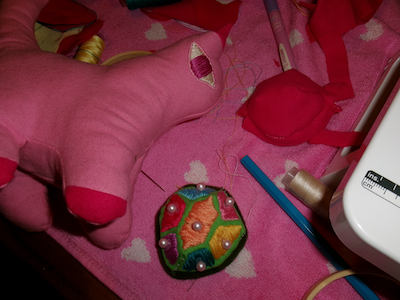
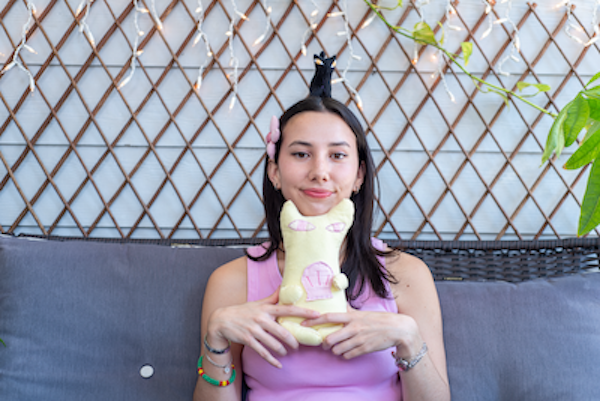
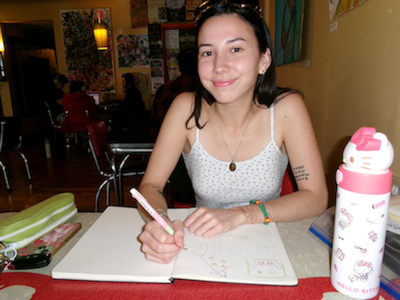
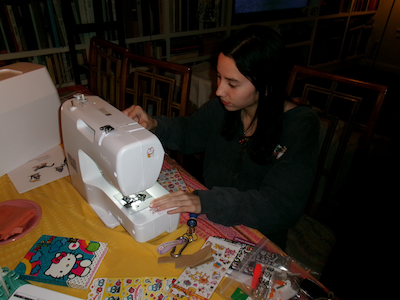
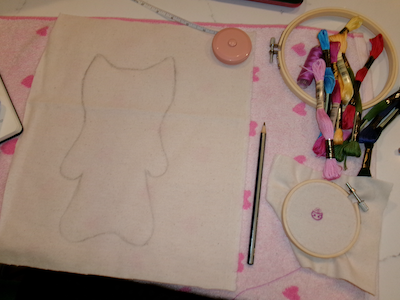
Starting my process, I sketched, painted and wrote in my journal straight for a month, and I let my parts flow through me, using guided methodologies to create illustrations of my parts, and then I began to research materials to create the physical versions of them. It was a hard process, because oftentimes I lost access to my parts on some days, or my parts would not want to share things with me on others. I honored the amount of time it would take, and I honored their wish for space as well. Throughout the whole process, I knew I wanted to keep exploring myself, for myself, and that is what kept me moving and pushing through the uncomfortable days. During this process, I kept a journal to document their profiles and my thoughts and feelings with them, and I was guided by myself or my therapist to blend with them and let them speak to their own narratives. Their design is directly related to their stories, and holds stories of their own.
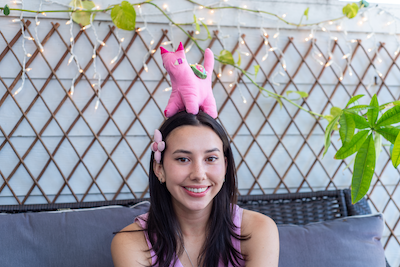
My medium became stuffed animals, because these were things that always brought me joy and comfort as a child. It became a deeper medium as well, as constructing things by hand helped me to process my memories and feelings into a tangible being, one that I could look at, hug and keep close to my heart as I try to understand it. Additionally, my intention of creating physical beings was also within the Anito framework of these parts having separate "lives" living within me. And honestly, they all ended up being cats because I absolutely love cats, and I wanted to bring in my personality in representing my parts, because ultimately they all come from my colorful brain!
What my guiding hope has been throughout this entire process is the hope to create a project that captures one lived experience of a mixed-race person that can be related to by all mixed people. Aiming to express the struggle, pain, depth and openness that comes from experiences of often feeling on the sidelines of where my roots come from but also creating something lighthearted and cute that lifts up mixed race individuals. I also carry the hope to invoke questioning of people that are viewing it to ask, what are the pieces that make up my psyche? What "parts" have been created due to my racial or ethnic background? These questions may invoke self-examining that can give understanding to the self and how one interacts with their environments. I hope this platform can contribute a potential way for mixed race individuals to begin to think about their identity in a decolonized framework, one that can detach themselves from thinking of themselves as "half and half."
Exploring your inner world is something that can be available to you, and isn't that so exciting?
Internal Family Systems (IFS)
IFS is a therapeutic framework developed by Richard Schwartz that understands the human psyche not as a single, unified self but as a system of distinct inner parts, where each part has their own personality, history, and intention. Within this framework, no part is bad and all are welcome. Every part, even the ones that seem destructive or extreme, developed in response to something that needed protecting. At the center of the system is the Self, which is a core of compassion, curiosity, and calm that is never broken, only sometimes obscured through other parts. The work of IFS within therapy or through self-guided work is not to eliminate difficult parts but to build a relationship with them, and to hear what they have been carrying, to honor why they took on that role, and to gently invite them toward healing.
Therapists of color have been essential in expanding what this framework can hold. Practitioners working within BIPOC communities have named what the original model did not fully account for: that for people of color, many of the most burdened parts did not form through personal experience alone, they were shaped by intergenerational trauma, systemic racism, and persistent encounters with institutions designed to exclude or harm. Tamala Floyd, LCSW, an IFS lead trainer and author, has been particularly significant in this expansion as her work centers healing from collective and intergenerational trauma through IFS, and she has written specifically on adapting the model to better meet the needs of Black and BIPOC clients.
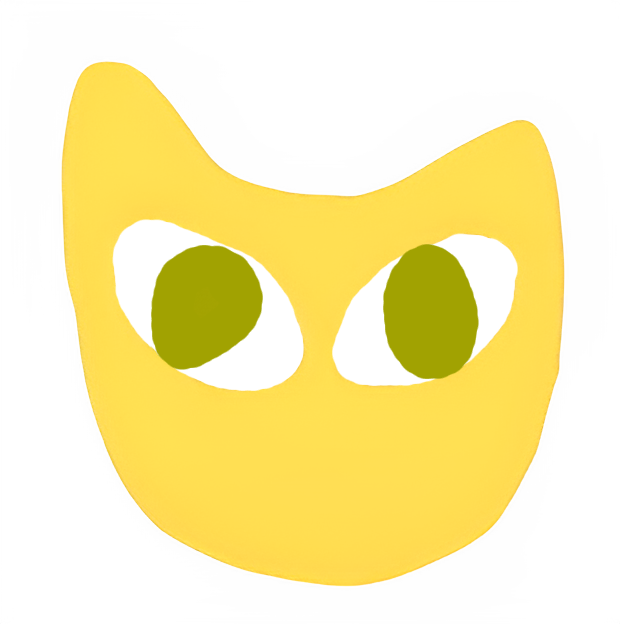
In this project, each character is a part in that expanded tradition of IFS and the work done by IFS therapists of color, which is a distinct inner presence that arose for a reason, doing their best with what they were given, shaped not only by personal history, but by ancestral and collective wounds too.
Filipino Anitism
Anitism is the collective term for the indigenous spiritual traditions of the Philippines that existed before Spanish and U.S. colonization and still persists today. Anitism holds the worldview in which the seen and unseen worlds are not separate, but continuously in conversation. Central to Anitism is the belief in anito, the spirits of ancestors and nature that remain present in the living world, and the understanding that all things such as people, land, water, and memory carry spirit.
Anitism teaches that identity is not isolated to the individual but is also relational, ancestral, and ecological. To know yourself is to know where you come from, which spirits walk with you, and which wounds in the lineage are asking to be seen.
Ancestral Healing
Ancestral healing is the practice of recognizing that the unresolved pain, survival adaptations, and broken patterns of those who came before us do not only stay in the past but travel forward through the body, through behavior, through the very parts of ourselves we cannot explain. It draws from indigenous traditions, somatic practices, and contemporary trauma research to understand that we are not just individuals but links in a long chain of human experience.
Ancestral healing is meant to be practiced in order to turn toward that ancestral chain with honesty and compassion and to ask what was carried, what was silenced, what was never allowed to grieve. In this project, the historical narrative of each part is an act of ancestral healing, which is naming what the lineage held so that the part no longer has to hold it alone.
Kapwa Psychology
Kapwa psychology is the framework developed by Virgilio G. Enriquez, the father of Sikolohiyang Pilipino (Filipino Indigenous Psychology), as a direct act of decolonizing how Filipinos understand themselves. Where Western psychology positions the self and others as fundamentally separate, Enriquez defines kapwa as shared identity as well as an understanding of the self that is inseparable from one's relationship to others, grounded in equality, dignity, and mutual recognition. At the core of this framework is kapwa as the central Filipino value, held together by pakikiramdam, which means a shared inner perception and kagandahang-loob which means shared humanity.
For this project, Kapwa psychology is the thread that quietly runs through everything. It reframes what it means to be mixed, as not half and half, but as carrying a self that has always been plural, relational, and whole. Each part in this inner world is not a fragment of a broken person.
Methodologies Sources
This section is under construction!